
Altitude Bedroom System
Availability:
In Stock
- $10,900.00 AUD
- $10,900.00 AUD
- Unit price
- per
Free Shipping on all products
Free standard shipping - deliveries arrive usually within 30 days
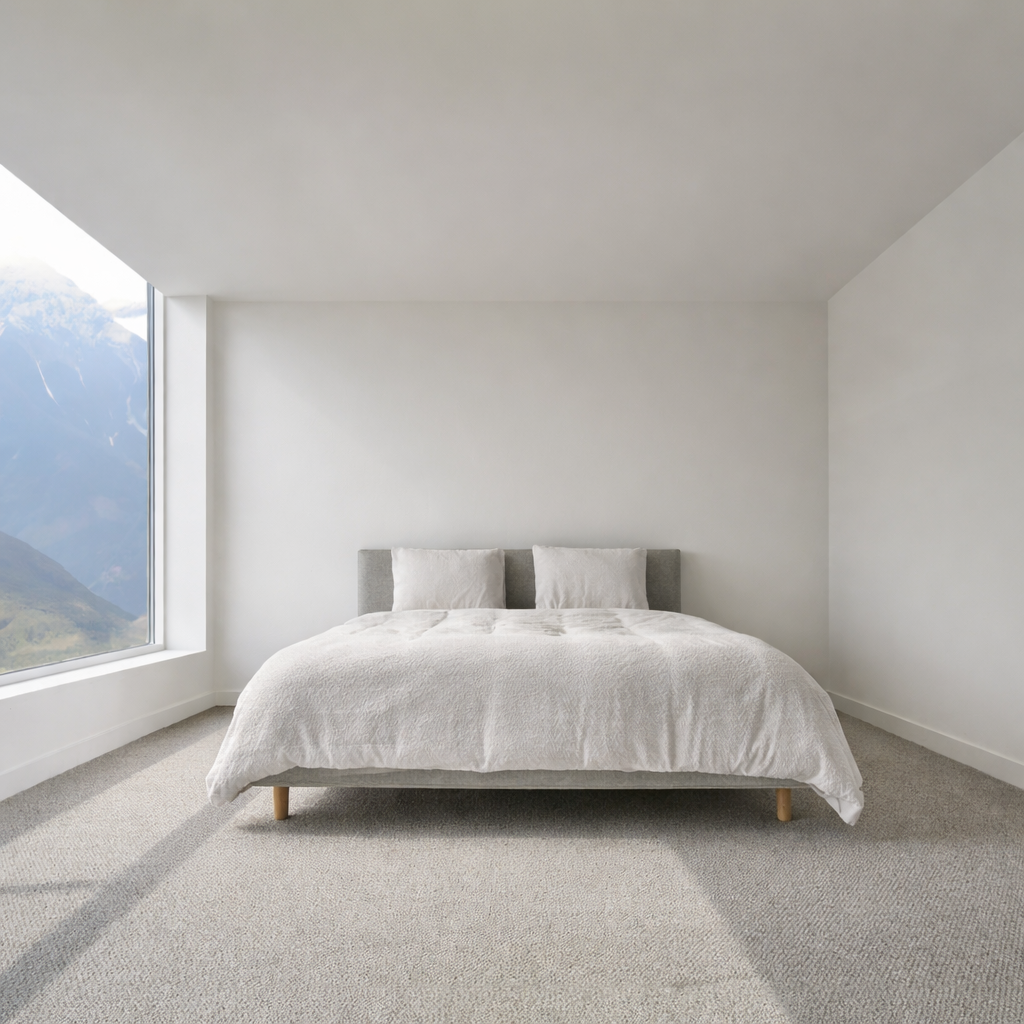
Transform your bedroom into a controlled simulated-altitude environment.
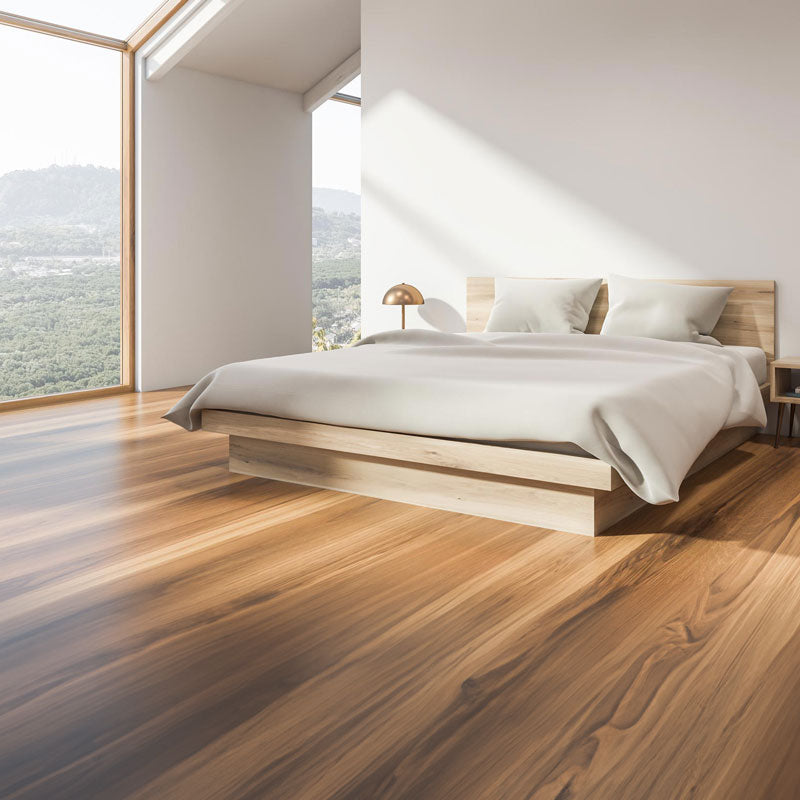
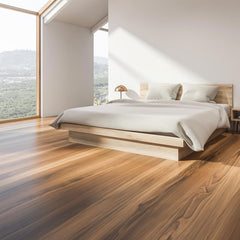
The Box Altitude Bedroom System converts an existing bedroom, home gym or training space into a fully integrated altitude room—without the need for a tent or separate enclosure.
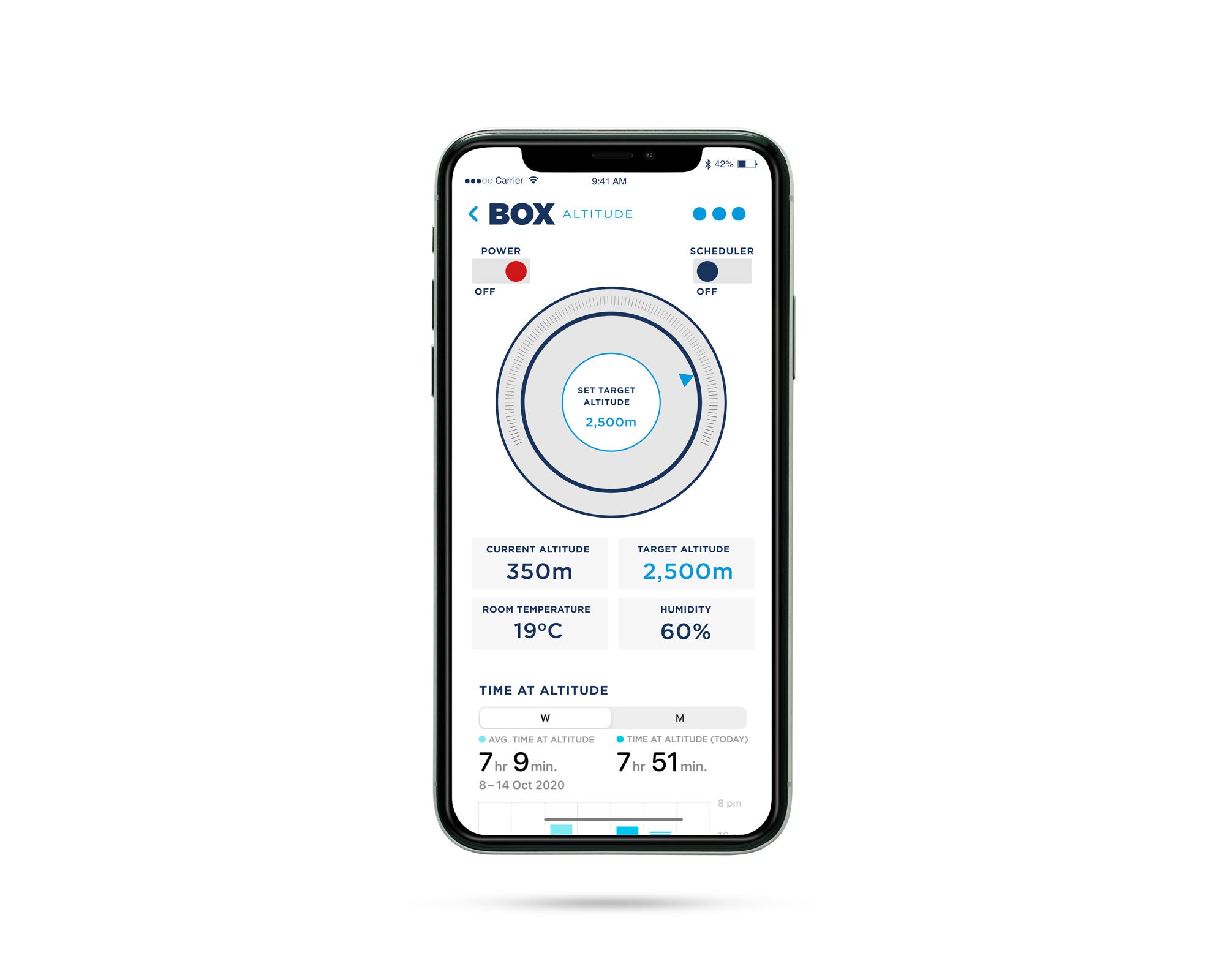
Simply close the door, select your preferred altitude using the Box Altitude App®, and allow the system to create and maintain the environment.
Altitude built into your everyday routine
An altitude bedroom allows athletes to accumulate extended simulated-altitude exposure while sleeping, recovering or relaxing in their own home.
It is an ideal solution for people who want the convenience and open environment of an entire altitude room. The same space can also be used for selected hypoxic training sessions with an indoor bike, treadmill, rower or other training equipment.
Because the system is integrated into the room, altitude exposure can become part of your normal routine without relocating to the mountains or repeatedly setting up a temporary sleeping environment.
Designed specifically for your room
Every Altitude Bedroom System is configured according to the dimensions, volume and intended use of the room.
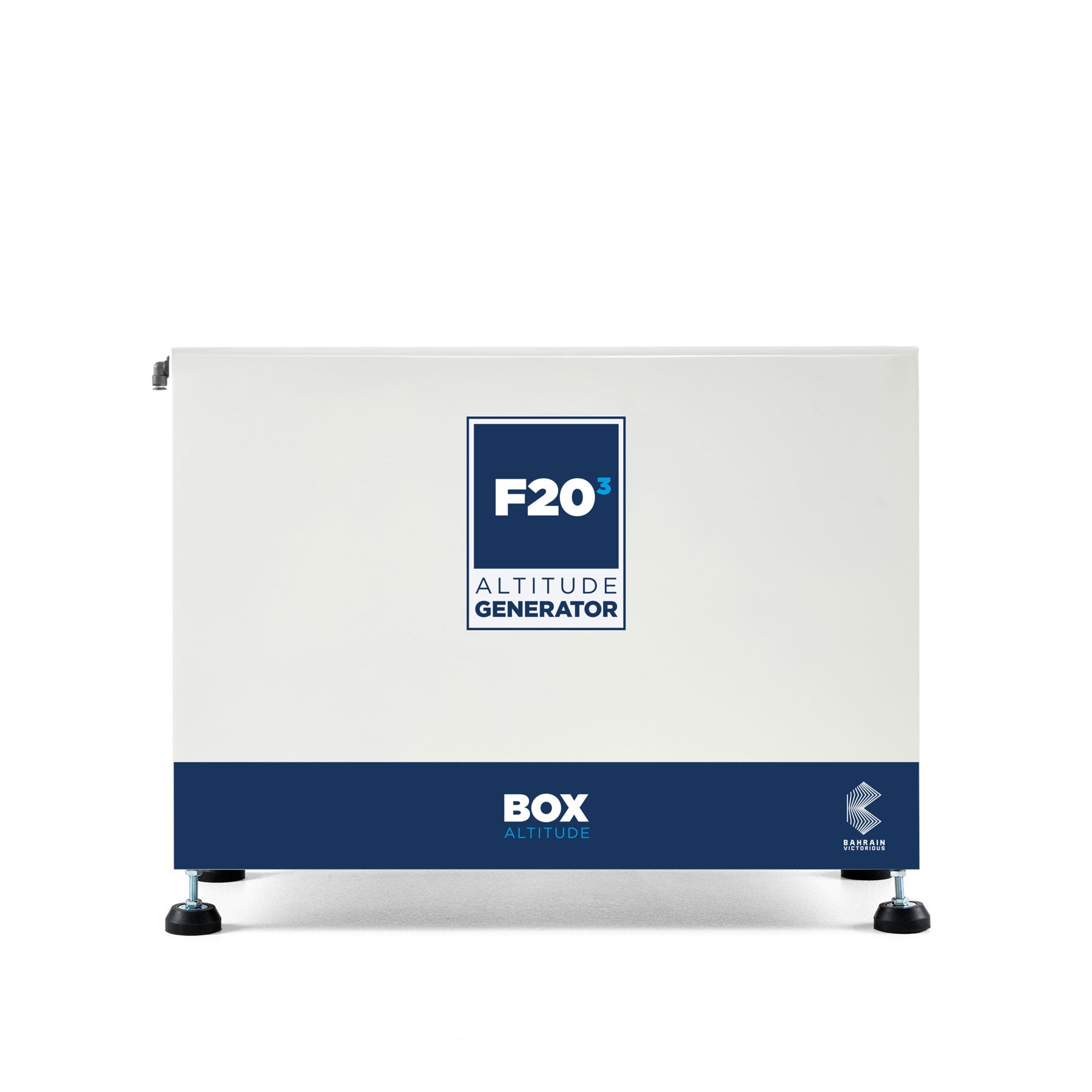
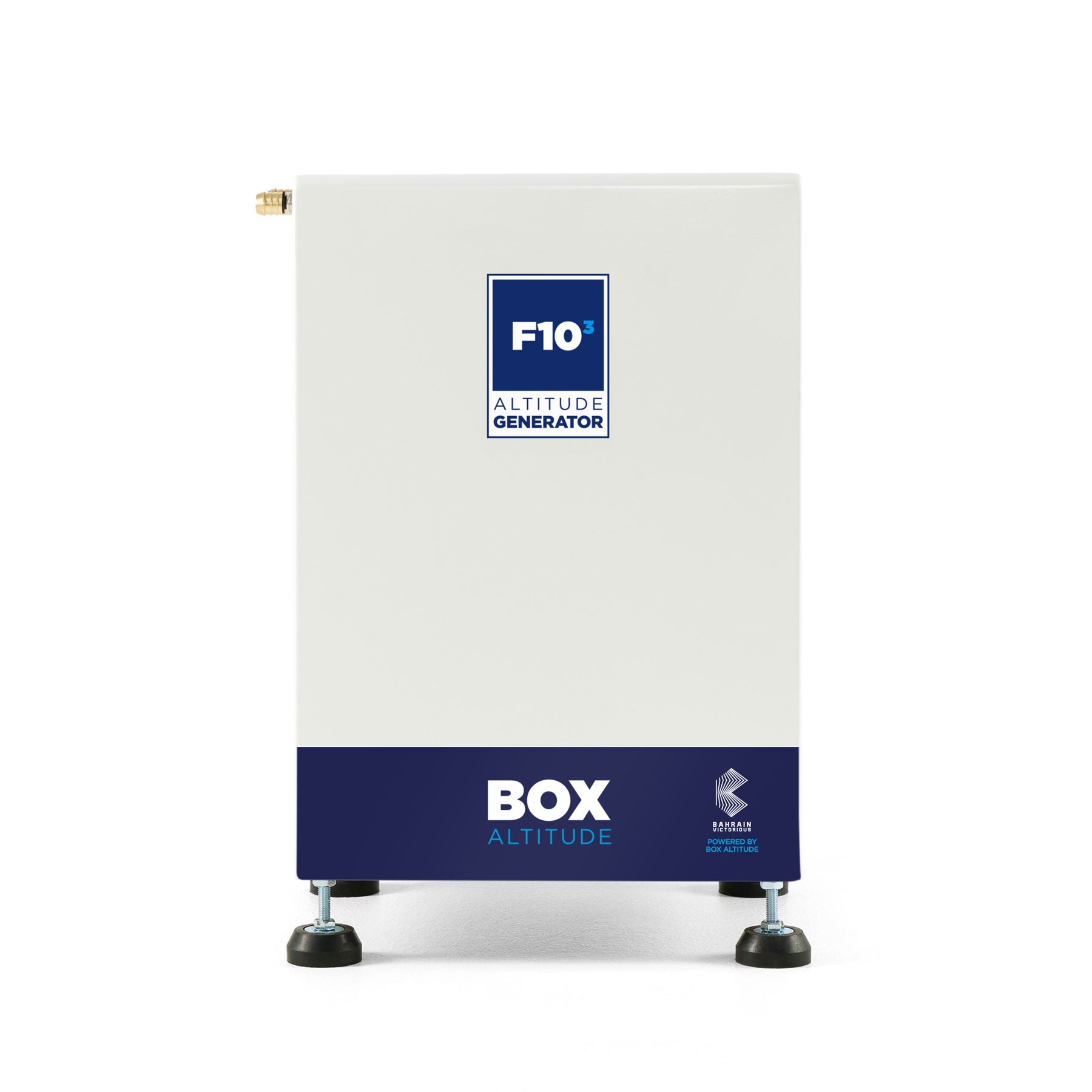
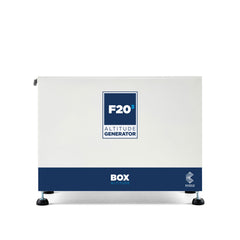
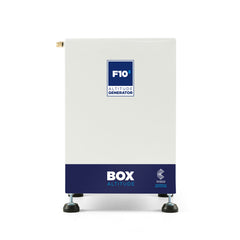
Depending on the space, Box Altitude may recommend an F10, F20 or combination of Altitude Generators® to provide the airflow required to reach and maintain the selected altitude.
Altitude rooms can be created in:
-
Residential bedrooms
-
Home gyms
-
Athlete accommodation
-
Performance centres
-
Team facilities
-
Commercial gyms
-
Rehabilitation or research environments
For larger, unusually shaped or specialised rooms, our team will prepare a customised recommendation and quotation.
App-controlled altitude
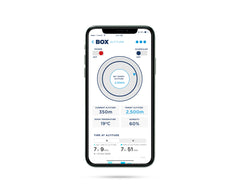
Select and control the room’s simulated altitude using the Box Altitude App®.
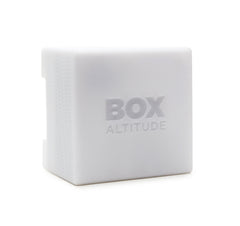
The Box Altitude Sensor® continuously measures the oxygen concentration inside the room and communicates with the system to help maintain the selected environment.
Altitude can be increased progressively, allowing users to acclimatise more comfortably and adjust their exposure according to their program and individual response.
From assessment to installation
To configure your system, Box Altitude will review:
-
Room length, width and ceiling height
-
Total room volume
-
Intended sleeping or training altitude
-
Number of occupants
-
Frequency of use
-
Existing ventilation and room configuration
-
Installation location and access requirements
Once these details have been assessed, we will recommend the appropriate generator configuration and confirm the installation requirements.
Contact Box Altitude to discuss your room and request a customised quotation.
Altitude Bedroom System components
-
F10 or F20 Altitude Generator®, or a combination of generators depending on room size
-
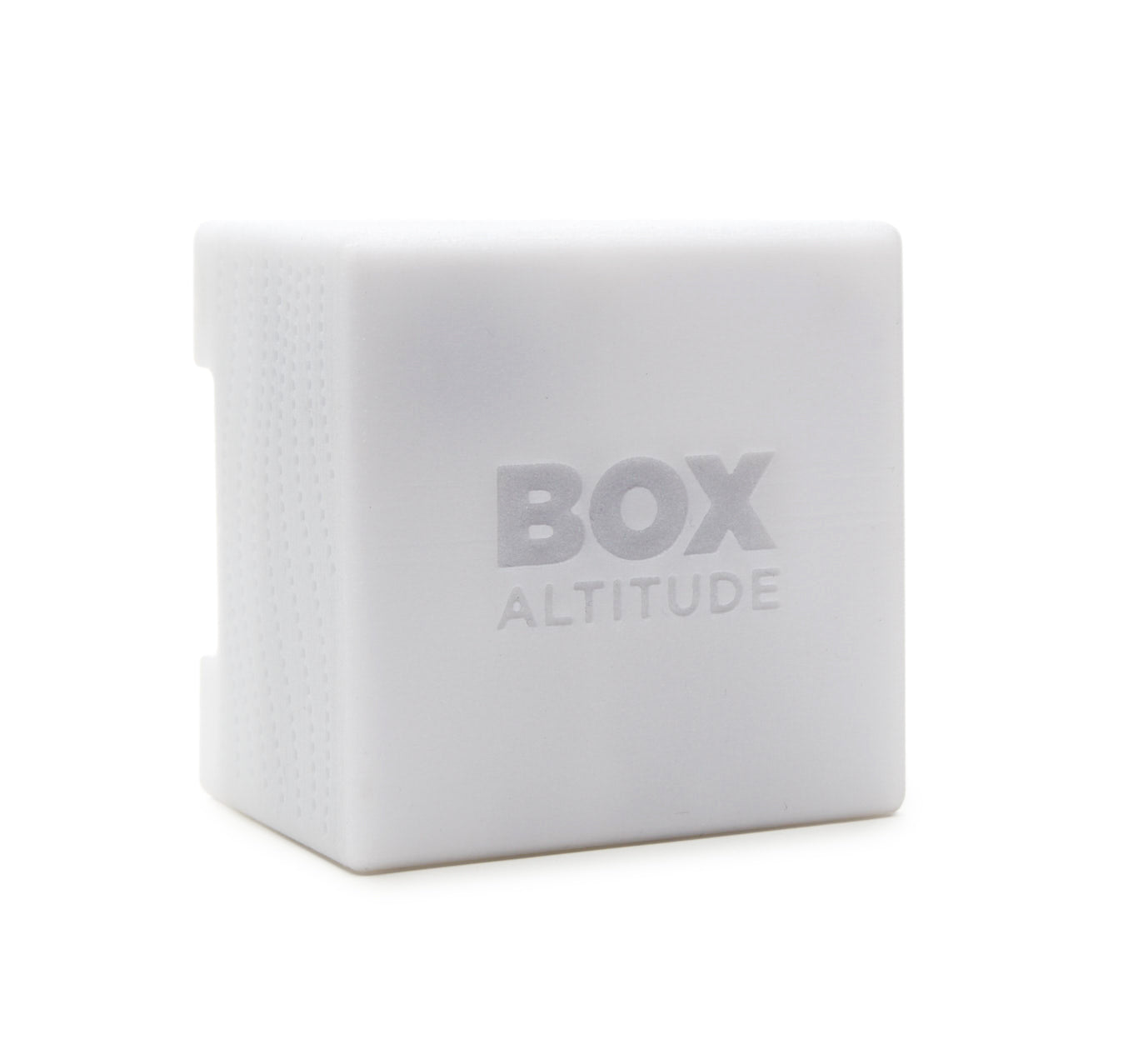
Box Altitude Sensor®
-
Box Altitude App® for iOS and Android
-
Room-specific system configuration
-
Installation guidance and commissioning
System features
-
Converts an existing room into a simulated-altitude environment
-
Suitable for overnight altitude exposure and selected training sessions
-
Smartphone altitude control
-
Continuous oxygen monitoring
-
Automatic maintenance of the selected altitude
-
Progressive altitude adjustment
-
Configured according to room size and intended use
-
Available in 110–120 V and 220–240 V configurations
-
Capable of simulated altitudes between approximately 3,000 and 4,000 metres, depending on the room and system configuration
Installation and performance notes
A correctly configured system may take approximately 1.5-3 hours to bring a suitable room to 2,500 metres. Actual performance will depend on room volume, sealing, ventilation, generator configuration and how frequently the room is opened.
There is no single altitude setting that is ideal for every person. Many athletic sleeping protocols use elevations around 2,000–2,500 metres, but the appropriate altitude and rate of progression depend on the individual, their objectives and their response to exposure.
New users should begin conservatively and increase altitude progressively. Anyone with a medical condition or concerns about reduced-oxygen exposure should consult a qualified healthcare professional before beginning an altitude program.
Understand your altitude response with Oxygen Coach
Oxygen Coach is being developed by Box Altitude to help athletes bring their altitude exposure, sleep, recovery and available wearable data into one place.
The platform is designed to help users plan altitude blocks, compare overnight responses and monitor how adaptation changes over time.
- Combination of F10 and F20 Altitude Generators® depending on room size and volume
- Box Altitude Sensor®
- Box Altitude App® for iOS and Android

The proven benefits of altitude
Sleep Cloud has redefined the sleeping at altitude space, quiet, attractive and efficient.
Introducing the Box Altitude System
All Box Altitude systems come complete with the following three key system components:

Altitude Controller App®
Control your altitude height, monitor the time you’ve spent at altitude, the heat and humidity of your environment, and track your sleep and progress.

Altitude Sensor®
The sensor pairs with the App through simple QR codes, in order to detect the oxygen content of your altitude environment.

F10 Altitude Generator®
This efficient, quiet, multi-purpose altitude machine can alter your environment up to 3,000 metres.
- Choosing a selection results in a full page refresh.